
Choosing the 2026 best Private Label Nutraceuticals requires more than attractive packaging or impressive promises. The strongest products combine transparent formulas, reliable sourcing, practical consumer benefits, and documented quality controls. A magnesium capsule should identify its form and amount clearly. A probiotic should explain strain identity, storage needs, and viable count testing. These details matter on a warehouse shelf and in a customer’s daily routine.
This guide examines nutraceutical categories that may perform well in 2026, including vitamins, minerals, probiotics, plant-based extracts, sports nutrition, and beauty-focused supplements. The selection process considers ingredient evidence, manufacturer experience, third-party testing, traceability, labeling accuracy, and responsible marketing. It also recognizes changing consumer expectations, such as cleaner formulas, sustainable packaging, and convenient formats.
No ranking is perfect.
Market demand can shift quickly. A product that sells strongly in one region may struggle elsewhere because of taste, price, dosage preferences, or local requirements. Experienced buyers still need to verify certificates, stability data, allergen controls, and production standards before placing an order. Supplier conversations should include difficult questions, not only optimistic forecasts.
The most credible private label partners communicate limitations openly. They avoid unsupported health claims and provide accessible documentation. This article offers a practical framework for comparing 2026 opportunities, rather than promising guaranteed success. Careful evaluation remains essential, especially when a polished sample arrives before complete test results.
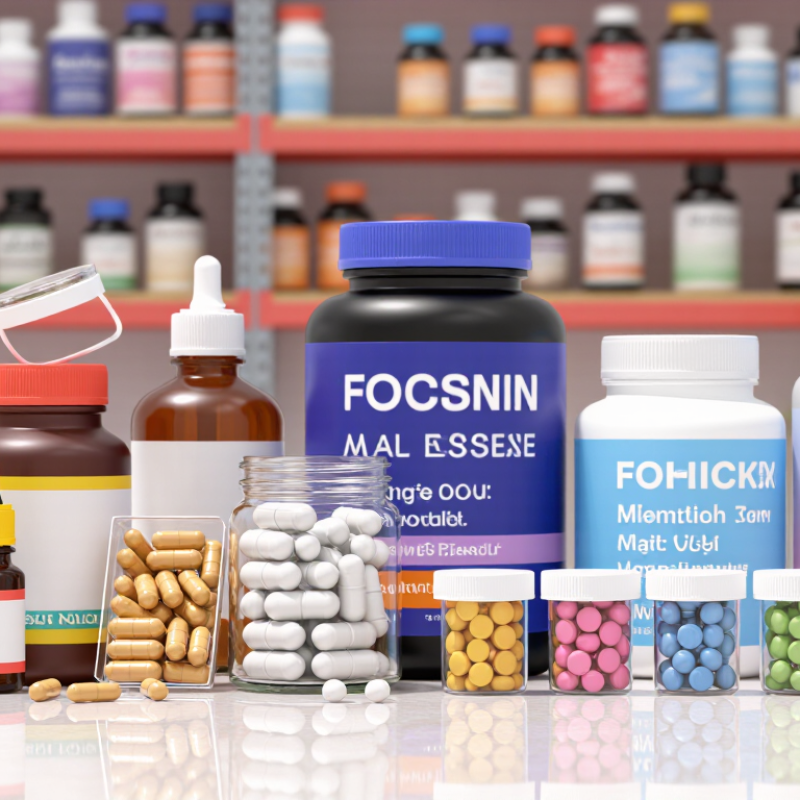
The 2026 private label nutraceutical market is being defined by evidence, traceability, and practical consumer value. Buyers no longer judge products by packaging alone. They examine ingredient origins, testing procedures, stability data, and manufacturing controls. A credible supplier should provide batch-specific certificates of analysis and clear documentation for every major ingredient.
From my experience reviewing supplement programs, small details often reveal operational quality. A sealed sample, readable lot code, and consistent capsule weight can indicate disciplined production. However, laboratory results still require context. Testing methods, detection limits, and storage conditions can change how results are interpreted. Some assumptions will fail. Market forecasts may also overlook regional regulations, changing delivery costs, or consumer fatigue with familiar claims.
In 2026, private label success will depend on responsible formulation rather than aggressive promises. Product developers are studying dosage convenience, allergen management, packaging durability, and evidence-supported ingredients. They are also asking whether a product fits real routines, such as a powder used during travel or a capsule stored in a humid bathroom. Reliable companies should review claims with qualified professionals and maintain documented quality systems. Transparent communication matters when evidence is limited, especially for emerging ingredients and personalized nutrition concepts. The market is becoming more demanding, but not always more predictable.
What Are the 2026 Best Private Label Nutraceuticals?
The strongest private label nutraceuticals begin with verified consumer needs, not attractive packaging. Grand View Research estimated the global dietary supplements market at about USD 177.5 billion in 2023. Its report also projects strong growth through 2030. That growth raises the quality standard. A product should solve a clear problem, such as sleep support, digestive comfort, or daily nutrient gaps. The formula needs human evidence, suitable dosages, and ingredients with reliable supply records.
Manufacturing quality is non-negotiable. A qualified facility should follow current good manufacturing practices and provide batch-specific certificates of analysis. Those documents should confirm identity, potency, microbial limits, and contaminants. Stability testing matters too. A capsule stored in a warm warehouse should still meet its label claim months later. Traceability must reach the raw-material source. Vague answers are warning signs.
Consumer trust also depends on honest communication. The Council for Responsible Nutrition reported in its 2024 survey that 75% of U.S. adults use dietary supplements. That figure suggests broad demand, but it does not excuse exaggerated claims. Labels should explain serving size, allergens, excipients, and testing methods clearly. Independent verification strengthens credibility. Still, no checklist is perfect. Formulas can look impressive while lacking meaningful clinical support. A careful buyer should review the evidence, audit the supplier, and question every promise before approving a private label product.
| Product Category | Common Active Ingredients | Evidence-Based Evaluation Criteria | Typical Quality Specifications | Preferred Format | Key Private-Label Differentiator |
|---|---|---|---|---|---|
| Omega-3 Supplements | EPA and DHA | Clearly stated EPA+DHA content; oxidation control; appropriate source disclosure; contaminant testing | Peroxide value, anisidine value, total oxidation value, heavy metals and persistent contaminants tested | Softgels or enteric-coated softgels | Freshness verification, transparent EPA/DHA labeling and sustainable sourcing documentation |
| Vitamin D Products | Vitamin D3 or vitamin D2 | Accurate microgram and IU declaration; suitable potency; compatibility with target consumer needs | Identity, potency, purity and uniformity testing; protection from light and moisture | Tablets, capsules, softgels or liquid drops | Simple dosing, allergen transparency and packaging designed to reduce degradation |
| Magnesium Supplements | Magnesium citrate, glycinate, oxide or malate | Elemental magnesium clearly stated; form selected for intended use; tolerability considered | Elemental mineral assay, identity, microbial limits and disintegration testing | Capsules, tablets or flavored powders | Accurate elemental-dose communication and low-additive formulations |
| Probiotic Products | Named bacterial strains with genus, species and strain designation | Strain-specific evidence; viable count through expiry; storage requirements matched to the formula | CFU declared at end of shelf life; identity, purity, stability and pathogen testing | Delayed-release capsules, sachets or shelf-stable capsules | Validated stability data and clearly defined refrigeration or room-temperature storage |
| Fiber and Prebiotic Formulas | Psyllium, inulin, resistant starch or other fermentable fibers | Verified fiber quantity; acceptable solubility; clear serving and fluid-use instructions | Fiber assay, moisture, microbial limits and contaminant screening | Powder sachets, tubs or capsules | Neutral taste, easy mixing and gradual-use guidance to improve adherence |
| Protein and Amino Acid Products | Whey, pea, soy, rice protein or essential amino acids | Protein quantity verified by validated testing; amino acid profile; allergen and dietary suitability | Protein assay, amino acid profile, heavy metals, microbiology and adulteration screening | Powders, ready-to-mix sachets or ready-to-drink formats | Clean ingredient list, mixability, flavor consistency and complete allergen declaration |
| Botanical Extracts | Standardized plant extracts such as turmeric, ginger or milk thistle | Correct botanical identity; marker-compound standardization; evidence appropriate to the claimed benefit | Identity testing, marker assay, pesticides, heavy metals, microbial limits and adulterant screening | Vegetarian capsules, tablets or liquid extracts | Traceable raw-material origin and conservative, compliant structure-function wording |
| Electrolyte Formulas | Sodium, potassium, magnesium and chloride | Electrolyte amounts suited to intended activity; sugar and stimulant levels clearly disclosed | Mineral assay, microbiology, moisture and serving-weight uniformity testing | Single-serve powders, effervescent tablets or ready-to-drink liquids | Convenient preparation, low-sugar options and precise electrolyte labeling |
| Multivitamin and Mineral Formulas | Multiple vitamins and essential minerals | Nutrient doses matched to the target population; avoidance of unnecessary megadosing; good nutrient stability | Identity, potency, uniformity, disintegration, heavy metals and microbial testing | Tablets, capsules, gummies or liquid formats | Purpose-specific formulas, readable Supplement Facts panels and controlled serving size |
Private label nutraceuticals in 2026 will likely favor practical, evidence-led categories. Daily multivitamins remain relevant, but shoppers increasingly expect clearer formulas and purposeful benefits. Foundational products may include vitamin D, magnesium, omega-3 alternatives, and mineral blends. Simple labels matter. Each ingredient should have a defined role, suitable dosage, and transparent testing record.
Digestive wellness is another strong category, especially probiotics, prebiotics, and postbiotics. Formulas should explain strain identity, stability, and storage requirements. Hydration products also offer private label potential, with electrolytes designed for exercise, travel, and warm climates. Protein powders, collagen peptides, and plant-based nutrition can support active lifestyles. However, taste, mixability, and packaging often decide whether customers reorder.
Cognitive support and healthy aging deserve careful development. Products may combine nutrients linked with normal memory, energy metabolism, or stress management. Claims must remain responsible and supported by accepted evidence. Beauty-from-within formulas, including collagen, biotin, and antioxidant nutrients, can attract interest, but results vary between individuals. The category map is not perfect. Some fashionable ingredients lack strong human research or consistent supply.
In practical sourcing, manufacturers should request certificates of analysis, contaminant screening, stability data, and independent quality checks. Packaging should protect sensitive ingredients from heat, moisture, and light. A smaller product range may perform better than a crowded catalog. Private label success depends on reliable manufacturing, honest communication, and continuous review of customer feedback.
What Are the 2026 Best Private Label Nutraceuticals?
The strongest private label nutraceuticals begin with a clear formulation purpose. A product should address a defined consumer need, not chase every popular ingredient. In supplier audits, I look for transparent formulas, realistic serving sizes, and evidence supporting each active compound. Formulators should assess ingredient compatibility, absorption, taste, and stability before production. A powder may clump in humid storage. A capsule may lose potency over time. These details matter.
Quality requires more than an attractive certificate. Request current certificates of analysis for raw materials and finished batches. Check identity, potency, microbial limits, heavy metals, allergens, and residual contaminants. Confirm that testing uses qualified laboratories and documented methods. Good manufacturing practices should cover sanitation, traceability, deviation handling, and batch release. I have seen impressive specifications fail because testing records were incomplete. That is a useful warning.
Tips: Ask for stability data under realistic temperatures and humidity. Review the label with an experienced regulatory professional. Avoid disease-treatment claims unless legally permitted and properly supported. Confirm every ingredient’s status in the target market, including dosage limits and required warnings. Keep supplier communication in writing. Small gaps become expensive later. A reliable partner should explain limitations, not promise perfect results. Product quality is measurable, but judgment still matters.
Choosing a private label nutraceutical manufacturer requires more than comparing prices. Ask for current GMP certification, audit records, and product testing procedures. A reliable supplier should provide batch-specific certificates of analysis, not generic laboratory documents. Check whether testing covers identity, purity, heavy metals, microbes, and active ingredient strength.
Walk through the production process. Can the manufacturer trace each ingredient to its original supplier? Are raw materials stored in labeled, temperature-controlled areas? Request stability data, packaging specifications, allergen controls, and clear shelf-life evidence. You should also review the company’s quality agreement before signing. It should define testing duties, change notifications, rejected batches, and complaint handling.
Communication reveals a lot. Ask how quickly technical teams answer difficult questions. Vague replies can become expensive delays. Confirm minimum order quantities, pilot-batch options, lead times, and formulation support. A dependable manufacturer should understand labeling requirements in your target markets without promising automatic approval. That promise is a warning sign.
I would not choose a supplier from a polished presentation alone. During one evaluation, a low quote looked attractive until freight, testing, and revised packaging costs appeared. The cheaper option was not cheaper. Reliable partnerships also require honest review. Even experienced buyers can overlook stability testing or underestimate demand. A small pilot order can expose those weaknesses before a larger commitment.
It should address a clear need, such as sleep support, digestive comfort, or nutrient gaps. The formula needs human evidence and suitable dosages. Attractive packaging is not enough.
Request current GMP certification, audit records, and batch-specific certificates of analysis. The certificate should confirm identity, potency, microbes, and contaminants. Generic documents are weak evidence.
Batch testing shows whether each production lot matches its specifications. It can reveal low potency, contamination, or ingredient mix-ups. One successful batch proves little.
Ask manufacturers to trace ingredients back to their original suppliers. Review supplier records, storage labels, and temperature-control procedures. Vague answers deserve caution.
Request stability data showing how the product performs over time. A capsule should retain its labeled strength after warm warehouse storage. Shelf-life claims need evidence.
The label should state serving size, allergens, excipients, and testing information. It should avoid exaggerated promises. Clear wording builds trust.
Compare the complete cost, including freight, testing, packaging, and revisions. A low quote can become expensive later. Cheap is not always cheaper.
A small pilot order can expose quality, packaging, and demand problems early. It also tests communication and lead times. No checklist catches everything.
Ask about minimum orders, formulation support, complaint handling, and rejected batches. Check how technical staff handle difficult questions. I might still miss something.
The 2026 market for Private Label Nutraceuticals is expected to focus on clean formulations, transparent sourcing, personalized wellness, and products that meet changing consumer needs. The best opportunities may include vitamins, minerals, botanical supplements, sports nutrition, digestive health products, immune support formulas, and healthy aging solutions. Successful products should offer clear benefits, convenient formats, stable demand, and room for meaningful market differentiation.
When evaluating a nutraceutical product, businesses should carefully review ingredient quality, dosage accuracy, product stability, testing procedures, labeling, and regulatory compliance in the intended sales regions. A reliable private label manufacturer should provide consistent quality control, documented manufacturing processes, flexible development support, scalable production, secure packaging, and dependable delivery. By assessing formulation expertise, certification practices, communication, and long-term cooperation potential, companies can select products that support consumer trust and sustainable business growth.