30+ Years of Nutraceutical Manufacturing cGMP 21 CFR 111 · NSF Registered GMP
Hauppauge, New York, USA (631) 951-4908

Blog

How to Choose Delayed Release Capsules?

How to Choose Delayed Release Capsules?

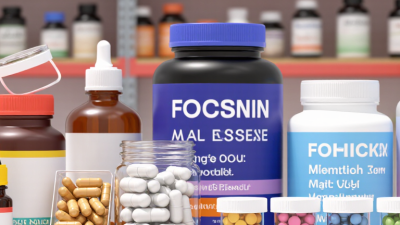
Choosing Delayed Release Capsules begins with one practical question: where should the medicine open? A capsule designed to resist stomach fluid may release its contents farther along the digestive tract. That behavior depends on the formulation, coating, and intended use—not the label alone. A useful selection process therefore starts with the product’s technical documentation and the conditions it is designed to withstand. Pharmaceutical scientist Dr. Ajaz Hussain has worked extensively in pharmaceutical quality and development. A cautious paraphrase of the principle behind that work is: “A dosage form must perform consistently, not merely look suitable on paper.” This is a paraphrase, not a verified direct quotation. It points to an important check: review evidence for release performance, stability, and compatibility with the active ingredient. A glossy shell is not proof. This guide outlines what to compare when evaluating Delayed Release Capsules, including release specifications, capsule materials, supplier documentation, and quality controls. Ask how testing reflects real storage and use conditions. Check whether the capsule is suitable for the intended formulation, and consult a qualified formulation professional when the evidence is unclear. Details matter. Even a small change in coating thickness or storage humidity may affect performance. No single capsule type fits every product, and selection should be based on documented needs rather than assumptions.
Read more »
Olivia By:Olivia - September 30, 2026
Best Dietary Supplement Manufacturing in China

Best Dietary Supplement Manufacturing in China

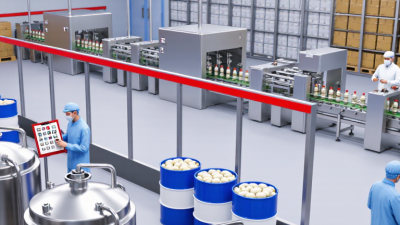
China has become a major production base for vitamins, minerals, botanicals, and functional nutrition products. Grand View Research estimated the global dietary supplements market at approximately USD 177.5 billion in 2023. Its report also projects continued growth through 2030. This demand creates opportunity, but scale alone does not prove quality. Reliable Dietary Supplement Manufacturing requires visible controls at every stage. A professional facility should show raw-material identification, supplier qualification, batch records, environmental monitoring, and finished-product testing. Walk through the factory. Notice the labeled drums, stainless-steel blending tanks, and separated allergen areas. These details matter. They reveal daily discipline. The Council for Responsible Nutrition reports that supplement users increasingly expect safety, transparency, and evidence-based communication. China-based manufacturers serving international brands must therefore manage documentation as carefully as production. Certificates of analysis should match the actual batch, not merely a template. Third-party verification can strengthen confidence, though it cannot replace sound internal systems. Roger Clemens, DrPH, a respected nutrition science expert and former American College of Nutrition president, has emphasized, “Supplements are not a substitute for a healthy diet.” That reminder should guide product development. Manufacturers should avoid exaggerated claims and prioritize appropriate dosages, stability, traceability, and consumer safety. No factory is flawless. That is an uncomfortable truth. The strongest partners acknowledge risks, investigate deviations, and improve procedures openly. Choosing the best Dietary Supplement Manufacturing partner in China means examining evidence, not impressive photographs. A polished facility helps. Consistent quality systems matter more.
Read more »
Ethan By:Ethan - September 20, 2026
What Is Soft Gel Capsule Manufacturing?

What Is Soft Gel Capsule Manufacturing?

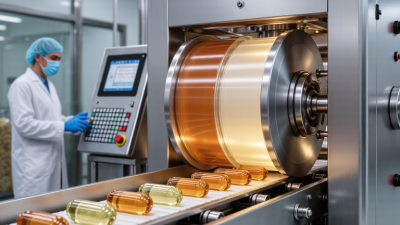
Soft Gel Capsule Manufacturing is a specialized process that converts liquid or semi-solid formulations into smooth, easy-to-swallow dosage forms. It combines formulation science, precision engineering, controlled heating, and strict quality testing. A typical production line begins with preparing the fill material, often containing oils, vitamins, extracts, or approved pharmaceutical ingredients. The capsule shell usually uses gelatin, plasticizers, water, and permitted colorants. Some products require alternative shell materials. The details matter. A rotary die machine forms two warm gelatin ribbons around the measured fill. Pressure seals the edges and creates consistent capsules. Afterward, controlled drying removes excess moisture without making the shell brittle. Operators monitor temperature, humidity, fill weight, seal strength, appearance, and microbial quality. Clear records support traceability from incoming materials to finished batches. Qualified facilities also follow applicable good manufacturing practices and recognized pharmacopeial standards. It looks simple from outside. In practice, small changes can affect performance. A slight moisture shift may change capsule softness. Poor viscosity control can cause leakage or uneven filling. Experienced teams therefore use validated procedures, calibrated equipment, and trained judgment. Testing must confirm identity, potency, stability, and dissolution when required. The process is not perfectly uniform. Formulas may need adjustment after pilot trials, especially when ingredients react differently under heat or pressure. This article explains each major stage, the equipment involved, and the quality decisions behind reliable Soft Gel Capsule Manufacturing. It also considers practical limitations, because efficient production should never replace patient safety, honest documentation, or careful technical review.
Read more »

Ethan By:Ethan - September 20, 2026
What Are the 2026 Best Private Label Nutraceuticals?

What Are the 2026 Best Private Label Nutraceuticals?

Choosing the 2026 best Private Label Nutraceuticals requires more than attractive packaging or impressive promises. The strongest products combine transparent formulas, reliable sourcing, practical consumer benefits, and documented quality controls. A magnesium capsule should identify its form and amount clearly. A probiotic should explain strain identity, storage needs, and viable count testing. These details matter on a warehouse shelf and in a customer’s daily routine. This guide examines nutraceutical categories that may perform well in 2026, including vitamins, minerals, probiotics, plant-based extracts, sports nutrition, and beauty-focused supplements. The selection process considers ingredient evidence, manufacturer experience, third-party testing, traceability, labeling accuracy, and responsible marketing. It also recognizes changing consumer expectations, such as cleaner formulas, sustainable packaging, and convenient formats. No ranking is perfect. Market demand can shift quickly. A product that sells strongly in one region may struggle elsewhere because of taste, price, dosage preferences, or local requirements. Experienced buyers still need to verify certificates, stability data, allergen controls, and production standards before placing an order. Supplier conversations should include difficult questions, not only optimistic forecasts. The most credible private label partners communicate limitations openly. They avoid unsupported health claims and provide accessible documentation. This article offers a practical framework for comparing 2026 opportunities, rather than promising guaranteed success. Careful evaluation remains essential, especially when a polished sample arrives before complete test results.
Read more »
Ethan By:Ethan - September 20, 2026